Is Hypnosis Magic

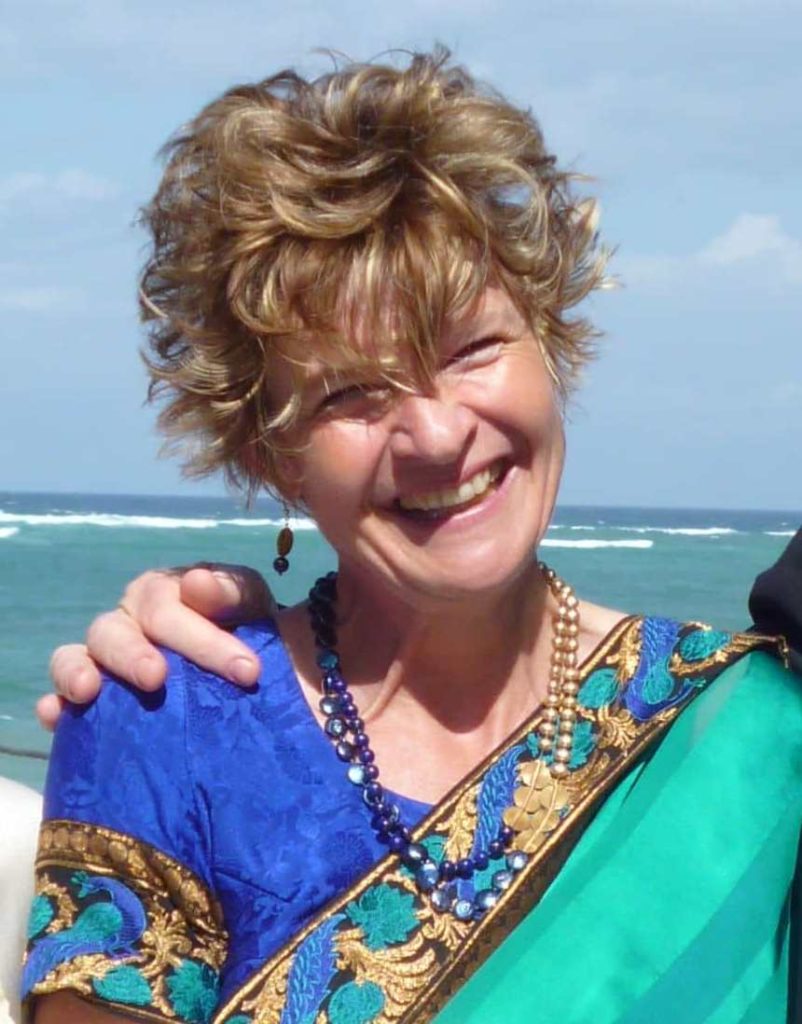
Stuart Heale chats to Hendrik Baird about his journey. He started believing there was real magic when he saw a magician when he was young, soon to be disillusioned when he learned the secrets of magic. His belief in magic was re-established once he learned how to help people with hypnosis. Follow the link below to listen to the full interview

This podcast as well as other interesting podcasts covering a range of hypnosis and related topics can be accessed at http://hypnosisworkspodcast.online

Masterclass in Habits and Addiction to Empower Hypnotherapists

It is no secret that drug and alcohol addiction is a major problem in South Africa. It has been estimated that at least 15% of South Africans have a drug problem (Recovery Direct, 2018). This number may be far higher, as not all drug rehabilitation centres report their statistics, nor are a great many addicts seeking professional help and so are invisible. South Africa does not have a regular drug use survey from which to get more accurate statistics, so it is difficult to get an accurate picture of the problem.

Drug use in South Africa is estimated to be twice the international norm. Cannabis and alcohol are the most consumed drugs, mainly abused by male youths. In fact, at last 80% of male youth deaths are alcohol related. The rate of alcohol foetal syndrome is five times that of the USA (Parker, 2018). That South Africans have an alcohol problem became crystal clear during lockdown, when liquor stores were forced to close and people panicked, brewing their own alcohol at home and forming long queues when alcohol outlets reopened, in some cases drinking as soon as they emerged from the stores.

Approximately 3.7% of the country’s population use cannabis, followed by cocaine (1%), amphetamines (1%), opioids (0.5%), opiates (0.4%), ecstasy-type drugs (0.3%) and prescribed opiates (0.1%) (Staff Writer, 2020). It is estimated that some 60% of all crimes committed in this country involve the use of substances.

Meanwhile, the UN has warned that while the lockdown has resulted in less drugs being produced, the economic fallout of Covid-19 crisis will result in a spike of drug use in the near future. It is mostly marginalised groups, the youth, women, and the poor who will fall prey to addiction. Add to this the existing problems in informal settlement areas, such as unemployment, lack of effective mentorship, lack of family values, poor parenting guidance, and loss of hope, and we are set for a dramatic drug use increase (Mbandlwa & Dorasamy, 2020). Our health system will most certainly not be able to cope with this epidemic.

Chemical addictions aside, people also suffer from a variety of behavioral addictions. Compulsive behaviours are defined as persistent and repeated behaviours that are carried out even if they have no benefit to the person who is caught up in them (Raypole, 2020).  Two such addictions are now officially recognised by the DSM-5, namely gambling addiction and internet gaming disorder. Although not yet officially recognised because of a lack of scientific, peer-reviewed evidence, you can add addictions such as sex, shopping, exercise, food, TV, and social media to the list.

There are approximately 7 million South Africans aged 15 and up who smoke some 27 billion cigarettes per year (Smoke Free World, 2019). When taking all of this into consideration, it is clear that there is a massive problem that needs serious intervention by those who have the skills to help overcome addiction and unhealthy habits.

Research has clearly indicated that the best way to intervene is to catch the addict early, before their condition can progress. When caught early and treated effectively, the recurrence rates are no higher than for other chronic conditions, such as diabetes, hypertension, and asthma (Office of the US Surgeon General, 2016).

Once caught in the web of addiction, the treatment option that may be the most effective will depend on the person. Mainstream treatments include detoxification, cognitive behavioural therapy, rational emotive behavioural therapy, contingency management, 12-step facilitation, and the use of medication. These have all been used with varying degrees of success (Underwood, 2020).

Hypnotherapy is a mostly neglected treatment option, even though it has been scientifically shown to be highly effective for the treatment of addiction. In a study focusing on methadone addicts, it has shown a 94% success rate (Manganiello, 1984). It has been shown to be 77% effective in treating men with alcohol addiction (Potter, 2004). Teaching a recovering drug addict self-hypnosis techniques has proven to be highly effective to prevent relapse (Pakela et al., 2004). Any hypnotherapist worth their salt will attest to the success rate of hypnosis on smoking.

According to Hartman (1972): “The addict is usually over-sensitive, dependent, lonely, lacking in self esteem, and finds it difficult to tolerate frustration. In addition, self-pity is often a prominent feature of the addict’s personality. Hartland mentions two distinct types of addiction: 1) that which occurs in people suffering from neurosis who try to control their tension and anxiety with drugs; and 2) that which occurs in people who resort to drugs for the ‘lift’ and feelings of euphoria that they induce.” These are issues that hypnosis has proven to benefit through using self-esteem and ego boosting techniques.

If hypnosis is so effective in treating addiction, why are more hypnotherapists not using their skills to help people overcome this problem? According to South African hypnotherapy guru Thomas Budge: “Addiction is one of the most feared aspects of the hypnotherapist’s practice, simply because they do not possess the in-depth knowledge and skills to successfully help their clients.” Hypnosis training in this country does not specifically address this aspect in the detail it deserves, if at all. At most, helping people to stop smoking forms part of the hypnosis school’s curriculum, but most hypnotherapists are scared to touch serious addictions and prefer to refer clients to the one or two people who are equipped to handle this problem, such as himself.

Thomas has taken it upon himself to rectify this problem and share his knowledge built up over many years. Together with Yvonne Munshi, they have written a book called Addiction: Between the devil and the deep blue sea. This work forms the basis of a masterclass that will soon be presented in South Africa, before being taken across the oceans to empower hypnosis practitioners world-wide.

The five-day course is aimed at qualified and experienced hypnotherapists, not beginners, as it will cover advanced techniques for which a certain level of expertise and experience is required. It will cover the neurobiology of addiction, the rules of the mind, and detailed practical methods and award-winning scripts to help widen the scope of the modern hypnosis practice. During the course, Thomas and Yvonne will be imparting the wealth of knowledge that they have brought together in the course material.

Hypnotherapists will benefit not only from the specialised knowledge and skills, but also by becoming part of a growing worldwide network that will provide help and support in years to come. This means that any problems they may face will immediately be addressed by the experts and will benefit everyone who has gone through this unique training process. A system of referrals will ensure that those who most need this kind of service will be able to find a hypnotherapist close to them.

By adding these essential skills to their service offering, hypnosis practitioners will be able to substantially grow their businesses. They will be kept abreast of the latest developments and updated techniques and so increase their confidence and effectiveness when working with clients who find themselves in the clutches of addiction.

South African hypnotherapists are privileged to be the first to be trained in this upcoming masterclass that will be held in Pretoria from 2 – 6 September 2021. The course will go ahead with a minimum of nine attendees, while the maximum number of participants is 18. During the five days they will be immersed in practical training and will leave having a major advantage over other practitioners, equipped with rare and valuable skills that are not shared often. They will become the ambassadors for this specialised service and use their newly acquired skills to be of even greater benefit to a society that desperately needs their help.

Bookings can be made at hypnosismasterclass.pro where full details of the course is available. The closing date for registration is 18 August 2021.

References

Hartman, B. J. (1972). The use of hypnosis in the treatment of drug addiction. Journal of the National Medical Association, 64(1), 35–38.

Mbandlwa, Z., & Dorasamy, N. (2020, July). The impact of substance abuse in South Africa: A case of informal settlement communities. ResearchGate.

https://www.researchgate.net/publication/343280262_The_impact_of_substance_abuse_in_South_Africa_a_case_of_informal_settlement_communities

Office of the US Surgeon General. (2016, November). Early intervention, treatment, and management of substance use disorders. Nih.gov; US Department of Health and Human Services. https://www.ncbi.nlm.nih.gov/books/NBK424859/

Parker, B. (2018, June 26). 80% of SA’s male youth deaths are alcohol-related and drug consumption is twice the world norm.

https://www.news24.com/parent/family/health/80-of-sas-male-youth-deaths-are-alcohol-related-and-drug-consumption-is-twice-the-world-norm-20180626

Pekala, R. J., Maurer, R., Kumar, V. K., Elliott, N. C., Masten, E., Moon, E., & Salinger, M.

(2004). Self-Hypnosis relapse prevention training with chronic drug/alcohol users: Effects on self-esteem, affect, and relapse. American Journal of Clinical Hypnosis, 46(4), 281–297. https://doi.org/10.1080/00029157.2004.10403613

Potter, G. (2004, July). Intensive therapy: Utilizing hypnosis in the treatment of substance abuse disorders. Citeseerx.ist.psu.edu.

https://citeseerx.ist.psu.edu/viewdoc/download?doi=10.1.1.668.676&rep=rep1&type=pdf

Raypole, C. (2020, February 26). Types of addiction and how they’re treated. Healthline. https://www.healthline.com/health/types-of-addiction

Recovery Direct. (2018, September 6). The staggering stats of addiction in South Africa. Recovery Direct Rehab in Cape Town.

Smoke Free World. (2019). State of smoking in South Africa. Foundation for a Smoke-Free World. https://www.smokefreeworld.org/health-science-technology/health-science-technology-agenda/data-analytics/global-state-of-smoking-landscape/state-smoking-south-africa/

Staff Writer. (2020, September 24). The most widely-used drugs in South Africa. Business Tech. https://businesstech.co.za/news/lifestyle/435579/the-most-widely-used-drugs-in-south-africa/

Underwood, C. (2020, December 12). 6 Treatments for addiction that are proven successful. WebMD. https://www.webmd.com/connect-to-care/addiction-treatment-recovery/successful-treatments-for-addiction

Are Regressions Dangerous?

As a hypnotherapist, I hear many people sharing their apprehension and even fear about hypnosis – everything from losing control and looking ridiculous to revealing information that they wish to keep private or re-experiencing pain and trauma that might ruin their lives. More than anything, people are concerned about uncovering information that will paralyze them with fear. Most of the worries come from a basic misunderstanding of hypnosis – how it works and its purpose, and so I spend a lot of time educating people and putting their minds at ease.

Hypnosis has long been used as a tool for memory recovery, whether it is a regression to recover memories from one’s childhood (seeing yourself playing with grandparents that have since passed), or from a recent past (figuring out where you placed the legal documents you have misplaced), or a past life (finding out how your past life story explains your current fear of commitment), or from a specific unusual event (remembering a contact with a non-human being). As a field, hypnosis emerged in the 18th century with the work of a physician Franz Mesmer. Since then, stage shows and media representations have shrouded hypnosis in such a cloud of mystery that some people began to view it as mere entertainment, while others see it as something dangerous, with neither view being particularly warranted. However, some concerns about hypnotic regressions (or hypnosis for memory recovery) are legitimate and deserve exploration. They are the creation of false memories, handling of potential distress, and discovery of traumatic information. Each of these is addressed below.

The concern about the creation of false memories is quite serious. It is based on the ability of the hypnotist to ask leading questions (questions that contain a suggested answer within them). For example, if the hypnotic subject says, “I see myself outside,” and the hypnotist responds with, “And do you see a tall person with big dark eyes standing next to you?” Such a question is likely to give the subject a visual image of a tall individual whether the person is there or not. Though this example is quite obvious, leading questions are often asked quite innocently and without any ill intent. They arise simply from the hypnotist’s natural patterns of speech. In daily life, we don’t use only open-ended questions and statements, such as “describe what you see… and what happened next… and how do you feel about that.” We often ask questions that verify specific information: “Did you see the stranger? Did he approach you? Were you scared?” These questions might be quite innocent in a regular conversation, but in a hypnotic situation, they may lead a person to a specific image or conclusion. So it falls on the person conducting hypnosis to monitor his or her speech. At the same time, not every closed-ended question is dangerous or inappropriate. When a person is in a deep, stable trance, an insertion of a potentially leading yet inaccurate suggestion will not break his or her reality. Instead, the person will simply say, “No. I don’t see it here…. No. that’s not how it is.” Trained hypnotists/hypnotherapists should be able to assess the state of their subjects and adjust their speech to ensure that the subject is as free from the outside influences as possible.

Further, potential false memories carry different weight in different situations. Perhaps the greatest danger exists in memory recovery from childhood trauma or abuse. If not done properly, it can result in the subject assigning horrible false behaviors to the people that are still living. For this reason, evidence produced through hypnosis is not admissible in the US courts of law. As a hypnotherapist, I am very careful about these cases and often deny requests for recovery of suppressed memories of abuse, offering clients alternative therapeutic methods for dealing with childhood trauma.

The issue of handling potential distress mostly affects those doing the hypnotizing. In a regression, clients may face a distressing situation. In past-life regressions, they routinely go through the death of a body. The subject may report being aware of physical pain, sadness, fear, loss, or other sensations, which may frighten a person guiding the regression if that person is untrained. This, however, poses a minimal concern for a trained therapist. Several techniques are available to help hypnotic subjects deal with distressing sensations, and the impact of such experiences on the subjects themselves is typically very limited and fleeting.

The concern about the discovery of traumatic information is quite common. Many first-time hypnosis clients are worried about discovering something so upsetting that it will cause major trauma. “What if I find out that I did something horrible?” they say. “What if I learn that I had a terrible death?” And this is precisely the point at which the notion of hypnosis as entertainment must be left behind. I approach every regression as a potential for therapeutic intervention. My focus is on helping the clients expand their awareness, process and manage their emotions, release and heal any trauma that may arise, and move forward with a greater understanding of the situation. In fact, a shift from fear and anxiety to an understanding and acceptance is a very common outcome of the sessions. A trained hypnotherapist always aims to have the client leave feeling better than when he or she first came in. Therefore, fearing that a regression may plunge one into the depth of despair is unwarranted unless the hypnotist is untrained and approaches the regression as something fun to try for entertainment purposes.

Getting a regression done by an untrained neighbor is no wiser than asking someone who has never cut hair for a high-quality haircut. Though the information coming out in a session may be entertaining, hypnosis is not a game, and situations often arise that require therapeutic resolution and skillful handling. However, when working with a well-trained professional with whom you feel comfortable, a regression does not pose any danger and is likely to be profoundly enlightening and healing.

Hypnosis and PTSD Part 3

Hypnosis Techniques for PTSD

In Part 1 of this three part series, we looked at the history of hypnosis in the treatment of Post Traumatic Stress Disorder (PTSD), starting with the work of Pierre Janet in the late nineteenth century and his work with dissociation. The article also looked at how our understanding of PTSD has changed during the last hundred years, especially through the major wars.

In the second article, the focus was on what we understand PTSD to be, including the newest definitions that included that of Complex PTSD (CPTSD). The article examined the risk factors, causes and symptoms of the disorder in more detail.

In this, the final in the series of articles on this topic, the focus shifts to the ways in which PTSD is treated, with attention to the different hypnotherapy techniques that research has shown to be effective.

Psychotherapy Treatments of PTSD

Even though hypnosis was the first choice in treating people suffering from what was first known as hysteria, and later defined as shell shock and war fatigue, conditions that we now understand to be related to PTSD, it has not become the preferred method of treatment. Instead, psychotherapy has taken the lead. There are three types of talk therapy that make up this first choice of treatment.

Cognitive Behaviour Therapy (CBT)

CBT has been the therapy that has been most used and has consistently been shown to be the most effective psychotherapy treatment for people suffering from PTSD. This type of treatment focuses on the trauma itself, which involves identifying the type of trauma and understanding all its components.

A therapist will help the patient to confront their trauma by having them think about the traumatic event in all its details. The therapist helps by providing coping mechanisms so that the patient can deal with their distress.

The treatment works by changing thinking patterns and making behavioural changes. The patient is actively involved in the treatment that usually takes the form of weekly sessions. During the sessions they learn the necessary skills that they then apply to their symptoms. The treatment usually lasts for between twelve to sixteen weeks.

Eye Movement Desensitisation and Reprocessing (EMDR)

This new type of treatment has been found to reduce symptoms associated with PTSD. The patient is required to follow the therapist’s finger with their eyes as it is moved from side to side. While moving the eyes from side to side they recall their traumatic incident. The treatment may also involve tapping or playing a musical tone. There is still some mystery as to why this kind of treatment works, but it does help the patient change the negative associations attached to their trauma.

Cognitive Processing Therapy (CPT)

This is a type of CBT that deals with the perception of the trauma and the coping mechanism associated with the emotional and mental aspects of it. By collaborating with the therapist, the patient processes the trauma and works through what is known as “stuck points”. These are certain thoughts relating to the traumatic event that are preventing the patient from recovering. CPT can be done individually or in groups.

Exposure Therapy

This is a kind of behavioral therapy where the patient faces the frightening situations and memories in a safe way and by doing so, find effective ways of coping. Exposure therapy can be especially helpful in reducing the occurrence of flashbacks and nightmares. Sometimes virtual reality (VR) is used so that the patient can re-enter the setting in which the trauma was experienced.

Prolonged Exposure Therapy (PE)

PE helps a patient to confront the things that remind them of the traumatic event. The therapist will teach the patient techniques that will help ease their anxiety when they think about the traumatic incident. The patient will be required to list all the things they have been avoiding and will systematically learn how to face each one. They may also be required to recount their traumatic ordeal and take home a recording of the session, which they will listen to at home.

Stress Inoculation Training (SIT)

SIT is a kind of CBT that can be done individually or in groups. In this type of therapy the patient is not required to go into the details of their trauma, instead they are taught how to manage their stress. This may include breathing exercises, massage and other techniques, which they will learn over a three-month period.

Medication

There are three types of medication that can be prescribed by a healthcare professional for the treatment of PTSD. These include:

Antidepressants

Antidepressants can help relieve the symptoms of both depression and anxiety. They can help a patient to sleep and concentrate better.

Anti-anxiety medications

These types of medication are prescribed to relieve severe stress and related problems. They are usually only prescribed for short periods because they have the potential to be abused.

Prazosin

There is conflicting research results abut the effectiveness of this type of medication that is prescribed to reduce or suppress nightmares. Placebos have been shown to produce the same results as the medication itself.

It is important to note that only a doctor, psychologist, or psychiatrist can administer the above treatments.

Complementary and Alternative Therapies

Trauma-Sensitive Yoga

Due to its many benefits, including stress relief, yoga has been shown to benefit people suffering from PTSD. David Emerson and Bessel van der Kolk developed trauma-sensitive yoga. Their research found that focusing on gentle yoga postures brings the greatest relief, avoiding hands-on adjustments as far as possible.

Acupuncture

This Chinese medicine energy practice has been shown to significantly reduce feelings of stress and anxiety.

New Treatments

Virtual Reality Exposure (VR)

This treatment method been mentioned earlier and is worth mentioning again. VR works through desensitising a patient to the impact of their experience. The technology is used to gradually expose the patient to their traumatic experience while working with a clinician. Through repeated use, the patient experiences a reduction in the emotional impact caused by the trauma. Repetition eventually breeds boredom, which then leads to a failure to elicit an emotional reaction from the patient.

Ketamine Infusion

The Food and Drug Administration (FDA) originally approved ketamine as an anesthetic. It can be used in situations where the patient has proven to be resistant to other forms of treatment. It is administered intravenously at a very low dose and just one infusion over a forty-minute period can lead to a rapid reduction in the symptoms of PTSD. It must be administered by a trained medical professional and the treatment will be repeated a few times over the period of a few weeks.

MDMA-Assisted Therapy

MDMA is the name of the recreational drug known as ecstasy. Research has shown that MDMA works by reducing the threatening level of the memories associated with PTSD. The memories and emotions are accessed without the feeling of imminent threat or fear, making them easier to process. Research about this type of treatment is ongoing.

Do not attempt any of the new therapies on your own. Always consult your health care practitioner about the best treatment for you.

Hypnotherapy

Hypnosis has been used as an effective treatment for PTSD for more than a hundred years. Ongoing research is consistently showing that this is a safe and effective method for bringing lasting relief for those suffering from PTSD. New techniques have recently been developed that are deserving of more attention.

There are several advantages that hypnosis can provide when working with people who suffer from PTSD. Hypnosis can produce a dissociative state, as proven by Janet all those years ago. It can be tailored to the specific symptoms of the PTSD sufferer and be used to reframe their dissociation. Hypnosis can assist in helping with non-dissociative symptoms too, including anxiety, stress and emotional withdrawal. Hypnosis can easily be used in combination with other treatment methods. And, as Janet proved, people who suffer from PTSD are highly hypnotisable, which makes his kind of therapy very suited for producing successful outcomes.

Hypnotic Regression Therapy

This technique poses the danger of retraumatising a person suffering from PTSD if not done by a trained professional. During a session, the person suffering from PTSD is guided into hypnosis and identifies a feeling they do not like, then uses that feeling to travel back in time to the original event that caused that feeling. In the case of PTSD it would be the original traumatic event. They are then disassociated from the event by for instance looking at it from an outsider’s perspective. Usually an abreaction occurs which is a release of the cropped up emotions and feeling, after which they will receive suggestions o increase their self-confidence and reduce their stress.

Parts Therapy with Abreaction

Also known as Ego State Therapy, Parts Therapy has been proven to be an extremely effective and durable method for resolving PTSD. During one session lasting five to six hours, and consists of five phases. During the session different ego states, or parts, are called forward to resolve inner conflicts by hypnotic abreaction. This involves regressing the part that is holding on to the trauma back to the original event and facilitating an abreaction. “The abreactions are repeated three or four times during the session so that each subsequent abreaction reveal[s] a progressive dissipation of the emotional expressions” (Barabasz et al, 2013).

“They are then skillfully guided to release the feelings that belong to the time of the trauma but that have no relevance in the present. The session ends with reassurances and a re-interpretation of the events, which leaves the patient with a feeling of great relief that is lasting.”

“The ego state harbouring the trauma can then learn something new, which is constructive, and empowering. The ego state that was formed to cope with trauma learns that it no longer needs to be fearful, guilty, or that it is no longer a victim. These changes provide the bases for […] what [is] essentially a permanently reconstructed personality.”

Hypnotherapists who want to learn more about this technique can access the research, which includes an explanation of the process, here.

Rewind Technique

The rewind technique is a Neuro Linguistic Programming (NLP) technique most often used for the treatment of phobias. Research has shown it to be an effective tool in the treatment of PTSD. After inducing the hypnotic state, suggestions are made which take the patient to an imaginary movie theatre. They are dissociated by watching themselves sitting in the theatre from the vantage point of the projection booth, with a double dissociation occurring as they watch the trauma play off on the screen, as if it is a movie.

The hypnosis practitioner will establish a safe place before and after the movie. The movie is then played repeatedly, and every time rewound. The client starts and ends in their safe space. There are a number of ways in which the movie can be played, for instance as a cartoon, at fast speed, in black and white, very small and so on.

It is highly recommended to use the rewind technique in conjunction with CBT and not as a wonder-cure-all on its own.

Hypnotic Olfactory Conditioning (HOC)

It is clinically well known that “olfactory intrusions in PTSD can be a disabling phenomena due to the involuntary recall of odor memories. Odorants can trigger involuntary recall of emotional memories as well have the potential to help diminishing emotional arousal as grounding stimuli” (Daniels & Vermetten, 2016).

This new technique was developed in Israel and helps people suffering from PTSD to  “develop new olfactory associations to overcome anxieties and dissociative states.” Using a positive olfactory association as an anchor, the patient can regain control over their symptoms, specifically when they are triggered by olfactory stimuli. It has been found that there are connections between emotions and smells. This is because the olfactory bulb, which is the only part of the brain in direct contact with the physical environment, “sends output fibres to limbic and neocortical areas involved in storing memories and processing emotions. The amygdala, in particular, plays a role in the long-term, unconscious storage of memories of fear, as well as in the emotional processing of olfactory stimuli.”

“The ability of olfactory stimuli to evoke vivid flashbacks of trauma scenes in individuals suffering from combat-related PTSD has been noted. Combat veterans with PTSD revealed an activation in the amygdala, insula, medial prefrontal, and anterior cingulate cortical areas upon re-exposure to olfactory elements of the traumatic memories.”

The suggestion has been made that “the intense emotional response to olfactory stimuli might be exploited for therapeutic purposes.”

“HOC the patient develops mastery over anxiety symptoms by being conditioned to associate a pleasant odour with a state of calm.” Using olfactory cues, the patient “then learns how to cultivate a ‘safe place’ where one can learn to manage one’s anxiety and to gain a sense of mastery over fear and stress. In the next phase, the patient is finally able to withstand imaginal exposure to the traumatic memory itself. Finally, the patient, who has learned the role of scent in producing one’s symptoms, is able to replace the traumatic olfactory cues with pleasant ones.”

This technique is used during six sessions and three different pleasing odours are introduced. Through posthypnotic suggestion, the patient is “taught to use the vial of pleasant-smelling oil to re-enter the safe place in situations that trigger anxiety or panic attacks. It is understood that the patient will continue to carry this vial with him or her, as a tool for combating anxiety and hopefully as a substitute for benzodiazepines, which one may have been consuming in stressful situations.” (Abramowitz & Lichtenberg, 2010).

HOC incorporates elements of CBT.

Hypnotherapists who want to learn more about this technique can access the research, which includes an explanation of the process, here.

No matter which method you choose, it is important that you consult an expert. Do not do any of these methods on your own. You will need help and support in order to overcome your PTSD.

If you do choose hypnosis, make sure the practitioner you choose has the expertise and experience to deal with trauma.

References

Abramowitz, E. G., & Lichtenberg, P. (2010). A new hypnotic technique for treating combat-related posttraumatic stress disorder: a prospective open study. The International Journal of Clinical and Experimental Hypnosis, 58(3), 316–328. https://doi.org/10.1080/00207141003760926

Barabasz, A., Barabasz, M., Christensen, C., French, B., & Watkins, J. G. (2013). Efficacy of Single-Session Abreactive Ego State Therapy for Combat Stress Injury, PTSD, and ASD. International Journal of Clinical and Experimental Hypnosis, 61(1), 1–19. https://doi.org/10.1080/00207144.2013.729377

Bhandari, S. (2017). What Are the Treatments for PTSD? WebMD; WebMD. https://www.webmd.com/mental-health/what-are-treatments-for-posttraumatic-stress-disorder

Daniels, J. K., & Vermetten, E. (2016). Odor-induced recall of emotional memories in PTSD–Review and new paradigm for research. Experimental Neurology, 284(Pt B), 168–180. https://doi.org/10.1016/j.expneurol.2016.08.001

Ganz, S. (2019). Is There a Cure for PTSD? Verywell Mind. https://www.verywellmind.com/ptsd-treatment-2797659

Muss, D. C. (1991). A new technique for treating post-traumatic stress disorder. British Journal of Clinical Psychology, 30(1), 91–92. https://doi.org/10.1111/j.2044-8260.1991.tb00924.x

NHS Choices. (2019). Treatment – Post-traumatic stress disorder (PTSD). NHS. https://www.nhs.uk/conditions/post-traumatic-stress-disorder-ptsd/treatment/

Post-traumatic stress disorder (PTSD) – Diagnosis and treatment – Mayo Clinic. (2018). Mayoclinic.org; https://www.mayoclinic.org/diseases-conditions/post-traumatic-stress-disorder/diagnosis-treatment/drc-20355973

Rewind Technique. (2021). Psychology Tools. https://www.psychologytools.com/resource/rewind-technique/

Slater, P. M. (2015). Post-traumatic stress disorder managed successfully with hypnosis and the rewind technique: two cases in obstetric patients. International Journal of Obstetric Anesthesia, 24(3), 272–275. https://doi.org/10.1016/j.ijoa.2015.03.003

Spiegel, D., & Cardena, E. (1990). New uses of hypnosis in the treatment of posttraumatic stress disorder. The Journal of Clinical Psychiatry, 51 Suppl(51), 39–43; discussion 44-46. https://pubmed.ncbi.nlm.nih.gov/2211565/

Treatment & Facts – Anxiety and Depression Association of America, ADAA. (2021). Adaa.org. https://adaa.org/understanding-anxiety/posttraumatic-stress-disorder-ptsd/treatment-facts

Hypnosis and PTSD Part 2

Part 2 – Understanding PTSD

Introduction

Part 1 of this three part series on Post Traumatic Stress Disorder (PTSD) looked at the history of how hypnosis has been used to treat trauma, specifically looking at the work of French psychologist Pierre Janet. The article briefly looked at how major wars contributed to our understanding of PTSD, until it was eventually acknowledged as a mental disorder in 1980.

In this article we will explore what PTSD is, as well as looking at some other stress disorders. It will also investigate how PTSD affects people.

Part 3 will explore the various ways in which PTSD is treated, with specific attention to hypnosis and the techniques that hypnotherapists can use in order to help their clients.

PTSD defined

As we have learned in Part 1, PTSD has in the past been known by many names. Initially, during the 18th and 19th centuries, it was labeled as hysteria.  During World War 1 it was known as shell shock, while during the Second World War it was called combat fatigue. It is important to note that PTSD is not just something that happens to soldiers who have experienced combat. It can happen to anyone. It is estimated that one in eleven people may be diagnosed with PTSD, while women are twice as likely to develop it than men. It may also affect people of certain racial ethnicities more than others.

Essentially PTSD is a psychiatric disorder that may occur after a person has experienced or witnessed a traumatic event. The kinds of events that may trigger PTSD are many, including wars, natural disasters, terrorist attacks, serious accidents, rape and sexual violence, being threatened with death, or even serious injury. It may be either a physical or a psychological experience that causes the trauma.

What separates PTSD from common stress is that the people who suffer from PTSD are haunted by very intense and disturbing thoughts and feelings related to their experience long after the traumatic event occurred. These may come in various forms, for instance vivid flashbacks and nightmares, or they may experience intense emotions such as sadness, fear or anger. It may even be that they become estranged from other people, experiencing a sense of detachment.

It is common for people who have PTSD to avoid certain situations or people that remind them of the traumatic event that they experienced. It may even be possible that they react strongly to something quite ordinary. Think of the ex-soldier who hears a car backfiring in the street, which could be enough to make him relive the trauma of an explosion on the battlefield.

Complex PTSD

While there is generally a good understanding of PTSD, Complex PTSD (CPTSD) is a fairly new classification. While PTSD is the result of a single incident, CPTSD is cumulative, underlying and most often interpersonally generated. It is therefore caused by more than one event and the effects increase with every successive trauma. It has the risk of being more prolonged and severe than PTSD.

The official definition of CPTSD will be incorporated into the World Health Organisation (WHO) International Classification of Diseases (ICD-11) on 1 January 2022 and reads as follows:

“Complex post-traumatic stress disorder (Complex PTSD) is a disorder that may develop following exposure to an event or series of events of an extreme and prolonged or repetitive nature that is experienced as extremely threatening or horrific and from which escape is difficult or impossible (e.g., torture, slavery, genocide campaigns, prolonged domestic violence, repeated childhood sexual or physical abuse).”

CPTSD differs from PTSD in that it has a greater impact on the individual experiencing it. This can have the result that the person that experienced it has more severe and pervasive problems in affect regulation. Their beliefs about their selves being diminished, defeated or worthless may become more persistent and can be accompanied by feelings of deep and pervasive shame, guilt or failure related to the stressful events they experienced. Their difficulties sustaining relationships and feeling close to others may also persist for much longer. The sustained or repeated trauma causes more severe impacts on their different areas of functioning, which includes personal, family, social, educational, occupational and other important functioning, as well as having a more severe impact on their feelings.

Ultimately their sense of self is more impacted. Self-regulation, self-integrity, and attachment to security are compromised, which means that they not only experience threats to physical survival, but also to the development and survival of the self.

Related conditions

There are a number of other stress conditions that may be related to PTSD. The following could present themselves:

Acute Stress Disorder (ASD)– While the symptoms are similar to PTSD in reaction to a traumatic event, the symptoms may present within three days and one month after the event. About half of people who experience ASD will go on to develop PTSD. Roughly 13 – 21 % of car accident survivors develop ASD, while 20 – 50% of rape, assault and mass shooting survivors develop it.

Adjustment Disorder (AD) – When a person experiences emotional or behavioural symptoms that are out of proportion to the type of event that occurred, it can be labeled AD. Symptoms may include feelings of sadness or hopelessness, withdrawal from other people, palpitations, tremors or headaches, or acting defiantly or by exhibiting impulsive behaviours. Symptoms of AD may begin within three months of the stress-causing event and won’t last longer than about six months after that event.

Disinhibited Social Engagement Disorder (DSED) – This disorder occurs in children who have experienced severe social neglect or deprivation before the age of two years. It is caused when children are not provided with the basic emotional needs for support, stimulation or affection. It can also be caused when they experience regular changes in caregivers, such as when they are frequently sent from foster care to foster care, preventing them from forming stable attachments. While rare, children who suffer from DSED may exhibit problems relating to adults and their peers. They may also experience cognitive and language development delays.

Reactive Attachment Disorder (RAD) – Children who experienced severe social neglect or deprivation during the first year of their life may develop RAD. The causes and symptoms are much the same as for DSED and it is considered a rare disorder.

Signs and symptoms of PTSD

Most of us experience trauma in some form or another during our lifetimes and the effects of that trauma may not last very long. However, if symptoms last more than a month and are severe enough to start interfering with daily life, relationships, work, and being able to function normally, a diagnosis of PTSD might become more likely.

Such as with any illness, the symptoms may vary. Some people may recover within six months, while others take much longer to recover. For some it becomes a chronic and debilitating condition. It will take a doctor, psychiatrist or psychologist to make a formal diagnosis.

In order for the stress condition to be considered PTSD, all of the following symptoms must be present for at least a month:

  • At least one re-experiencing symptom such as:
    • Flashbacks (reliving the trauma again and again, which will include physical symptoms such as sweating or increased heart rate);
    • Nightmares;
    • Frightening thoughts.

  • At least one avoidance symptom such as:
    • Staying away from things that remind of the trauma, such as events, places or objects;
    • Avoiding thoughts or feelings that can be related back to the original traumatic event.

  • At least two arousal or reactivity symptoms such as:
    • Being easily scared or startled;
    • Feeling tense or on edge;
    • Difficulty sleeping;
    • Angry outbursts.

  • At least two cognitive or mood symptoms such as:
    • Trouble remembering key features of the traumatic event;
    • Negative feeling about the self and the world;
    • Distorted feelings such as guilt or blame;
    • Losing interest in activities that used to be enjoyable.

While it is natural to experience some of these feelings after a traumatic event, it becomes problematic when the symptoms persist for more than a month. It is then that it starts to affect the person’s ability to function. It may often lead to depression, substance abuse or to some of the other anxiety disorders.

Older children and teenagers may have some of the same symptoms outlined above, but may also react differently.  Some children might become disruptive, disrespectful or exhibit destructive behaviours. Other symptoms may include:

  • Bedwetting;
  • Forgetting or being unable to talk;
  • Acting out the trauma during playtime;
  • Becoming very clingy.

What causes PTSD?

While being directly exposed to a traumatic event may cause PTSD, it can also happen indirectly. Examples include hearing about the violent death of a family member or friend, or the police detective who has had to deal with many cases of child abuse.

There is research that investigated how a woman had an unexpected stillborn delivery by emergency caesarean section under anesthesia and who subsequently developed PTSD. When going for another caesarian section some years later, she started experiencing flashbacks and severe anxiety. How a hypnosis technique helped solve this issue will be highlighted in the next article.

Pandemics are a well-known cause of PTSD. This includes healthcare workers who have close contact with patients who are infected by potentially deadly viruses. These healthcare workers may be witnessing the suffering and deaths of patients and even the lack of lifesaving supplies, causing them trauma that could have lasting effects on heir mental health.

Current research into Covid-19 related PTSD points out that not only healthcare workers are affected by it. It encompasses those who have themselves suffered from serious illness and potential death because of the virus. Family members who are witnessing this kind of suffering and death of their loved ones may be susceptible to PTSD as well. Teachers, first responders, journalists, medical examiners, and others are also at risk.

Researchers are even seeing that issues such as social isolation, becoming unemployed and having economic distress and working from home while having to take care of children or other family members are having an adverse effect of people’s mental health and in some cases leading to PTSD.

Risk factors for developing PTSD

It must be noted that any person can develop PTSD at any age. Not everyone who experiences trauma will however develop PTSD. Women are more likely to develop this disorder than men, while those who experienced sexual trauma while growing up are much more likely to develop it after experiencing a trauma during adulthood.

Medical events and procedures are often underappreciated in their ability to cause PTSD. For instance, up to 15% of people who experience a myocardial infarction or acute coronary syndrome may develop PTSD. Up to 20% of patients who have undergone major thoracic surgeries such as cardiac bypass graft (CABG) and open abdominal aortic aneurysm (AAA) repair may end up developing PTSD.

Currently medical events particularly related to Covid-19 may induce PTSD. These may include prolonged treatment in intensive care units (ICU) for sepsis, and more specifically for intubation. Some 35% of ICU survivors will develop PTSD.

Consequences of PTSD

If left untreated, PTSD can last for many decades and will get worse over time. It will cause major distress and disrupt social and work functioning. It will have detrimental effects on relationships with other people and the ability to keep a steady job and function effectively at work.

On a physiological level PTSD will affect and profoundly change the functioning of the autonomic nervous system. More specifically, it will dramatically change how the sympathetic nervous system operates.  This is the system that controls the so-called ‘fight or flight’ reactions. It will also result in a reduction in the parasympathetic nervous system functions, which control the ‘rest and digest’ system.

The brain will exaggerate activity in certain neural networks that are associated with the processing of detecting threats and negative emotional responses. It may result in a decrease in the functioning of the networks that control executive control, problem solving and the control of emotions. It may also have a detrimental effect on brain circuitry that control the reward system.

Preventing PTSD

While most people do not develop PTSD after experiencing a traumatic event, others do. It is important to get help and support as soon as possible after a stressful life event has occurred, so as to stop it from becoming worse and possibly developing into full-blown PTSD. Family and friends may be the first ones to offer comfort and support. Brief therapy with professionals may also be useful. Some people turn to faith-based organisations for help. Alcohol and drugs are never th solution; so one should rather seek out people who can help you through such stressful times.

In Part 3 of this series, we will focus on some of the treatments available to people who may be suffering from PTSD. Special attention will be given to hypnotherapy, highlighting some of the more successful methods that can be applied during a hypnosis session, including a revolutionary new method that was developed in Israel and which is said to produce very good results.

Bibliography

Kazelman, C. & Stavrapoulos, P. (2010). Practice Guidelines for Clinical Treatment of Complex Trauma.  Blue Knot Foundation. https://aztrauma.org/wp-content/uploads/2020/11/BlueKnot_Practice_Guidelines_2019.pdf

Slater, P.M. (2015). Post-traumatic stress disorder managed successfully with hypnosis and the rewind technique: two cases in obstetric patients. International Journal of Obstetric Anesthesia. DOI: https://doi.org/10.1016/j.ijoa.2015.03.003

Tucker, P. (2021). Post-COVID Stress Disorder: Another Emerging Consequence of the Global Pandemic. Psychiatric Times, Vol 38, Issue 1. https://www.psychiatrictimes.com/view/post-covid-stress-disorder-emerging-consequence-global-pandemic

Xiao, S., Luo, D. & Xiao, Y. (2020). Survivors of COVID-19 are at high risk of posttraumatic stress disorder. Glob health res policy 5, 29. https://doi.org/10.1186/s41256-020-00155-2

American Psychiatric Association. What is Posttraumatic Stress Disorder? https://www.psychiatry.org/patients-families/ptsd/what-is-ptsd

Mayo Clinic. Post-traumatic Stress Disorder (PTSD). https://www.mayoclinic.org/diseases-conditions/post-traumatic-stress-disorder/symptoms-causes/syc-20355967

Michigan Medicine Department of Psychiatry. Post Traumatic Stress Disorder during Covid-19. https://medicine.umich.edu/dept/psychiatry/michigan-psychiatry-resources-covid-19/specific-mental-health-conditions/posttraumatic-stress-disorder-during-covid-19

National Institute of Mental Health. Post Traumatic Stress Disorder. https://www.nimh.nih.gov/health/topics/post-traumatic-stress-disorder-ptsd/index.shtml


Is The Media Making You Sick

Understanding PLACEBO, NOCEBO and IMMUNITY

 Imagine for a moment being that person with all the high risk factors that we have heard about ad nauseam, and you now test positive for Covid-19. Whether exhibiting symptoms or not, it must undoubtedly be a terrifying moment. An instant triggering of stress hormones causing shock to the body with nowhere to run, except into your mind which has been primed for weeks now to panic at this news. There is pounding in your chest and you feel immediately and severely ill and over the next few days your imagination runs wild, finding scenarios that fill you with horror and dread. Your friends and family are not allowed to come near you, and the look in your doctors’ eyes peering at you over a mask, through a shield and gloved up to the eyeballs, confirms your worst nightmare…, Enough to tip anyone over the edge?

TWO REASONS TO STAY CALM AND KEEP A HEALTHY PERSPECTIVE

  1. Stress and fear trigger immune suppressing reactions in the body.

2. The nocebo response which is as real as the more well known placebo effect but in a negative way.

PLACEBO: Many therapies are dismissed as being purely placebo but it is this very placebo effect that fascinates anyone interested in healing. Hypnotherapists are especially aware of the effects of the subconscious mind on our physiology.

For the Placebo effect three things are deemed necessary: 

1. The patient believes in the doctor (white coat effect and good rapport adds to the positive expectation and belief.) 

2. There is a ritual (take pill or injection or even undergo surgery; this is classic behavioural conditioning i.e Pavlov’s dog story.)

3. The doctor believes in the ritual.

Interestingly, even when people are told they are part of the placebo group in a study, many will still experience relief of symptoms especially if led to believe that numerous others have found relief from the same sugar pills. Simply knowing that another person has benefited from any therapy will enhance success!

Culture also plays a role – if you belong to a culture where a particular treatment is accepted, that treatment will be more effective for you. For example, acupuncture has been found to be more effective the closer a person is to China.

And media – the more widely a product or drug is advertised, the more people believe in it, the more powerful the placebo effect. In other words the more successful the advertising, the better the treatment works.

Doctors all over are mystified by how placebo works but are finding complex neurobiological proof that it is not merely “in the head”. In fact it has physical consequences such as an increase in feel good neurotransmitters (endorphins and dopamine) and activation of certain parts of the brain which can be seen on MRI. 

Even more fascinating is the NOCEBO EFFECT which causes similar physical consequences but in a destructive way. This lesser known dark side of placebo is responsible for unpleasant symptoms and negative outcomes due to fear and negative expectations..

Researchers have observed that in drug studies up to 65% of the placebo group can manifest negative side effects i.e. the nocebo response. For example when they are testing chemotherapeutics, this group will report vomiting, diarrhea, nausea and some of them actually abandon the study because the physical symptoms are unbearable…all caused by the inert sugar pill! 

This nocebo response puts doctors in a quandary every day because they are ethically bound to give patients the full story regarding possible side effects of treatments and surgeries while knowing that certain patients will actually then manifest these deleterious symptoms and could experience delayed healing post surgery. The harmful nocebo response appears to be greater in people that are already anxious and depressed and who tend towards catastrophizing and neuroticism.

The more a patient has heard about bad outcomes of treatments or surgeries from other people, the more likely that patient is to experience a similar negative outcome – sometimes referred to as contagious rumour. The higher the negative expectation, the more harmful the nocebo response.

How does what we know about NOCEBO relate to CORONA? Applying this principle of negative expectation to Covid-19, it is not rocket science to see how fear and anxiety, brought on by a continuous stream of scary statistics, could be making many of us more susceptible to the virus in the same way that students are more susceptible to viruses during exams. A small amount of fear is protective in that it may encourage crowd avoidance and responsible behaviours but fear in excess becomes destructive, irrational and immune suppressing, almost a self fulfilling prophecy.

And fear is certainly contagious – when catching up on news it is easy to hear which journalists have caught the fear and feel compelled to share it. We are flooded with (often out of context) numbers of deaths, hospital admissions and new infections with little emphasis on recoveries and other feel good stories. The fact that most of us will either be asymptomatic or have very mild symptoms seems to have been lost in the fear.

There are already plenty of articles written regarding the nocebo as well as emotional contagion in the context of this coronavirus pandemic. Please see below for more fascinating articles on all the above.

The picture that starts to emerge is that when people test positive for corona and they believe that their odds of survival are good, their experience of the infection and their outcome will be far more favourable. This is especially true when they know that many people (actually more than 95%) with the same comorbidities have in fact fully recovered.

Awareness is often the best form of defense so I am hoping that by reading this blog it can help you choose mindfully what you let into your consciousness and which rabbit hole you allow your thoughts to run around in. Fear and hysteria are counterproductive to staying healthy. Our thoughts have physical consequences especially when accompanied by a strong emotion such as fear. And imagination is all powerful in this regard- just think of how you felt last time you consulted Dr Google on a mysterious symptom in the middle of the night.

Finally, please know that there are many ways you can support yourself and those around you to remain healthy at this time. Self care rituals have been shown to have powerful placebo effects. Similarly any perceived attention or care from another is shown to boost immunity and feelings of well-being. As this pandemic continues and suicides are on the rise, reaching out to someone else could literally save a life. Do what makes you feel good and do it often because feeling good supports a healthy immune system.

For some of us, supporting a healthy immune system could be as simple as steering clear of contagious viral media. For others, loving, kindness and feeling loved creates a dopamine upsurge which is immune boosting. Exercise, time in nature, sunshine and any spiritual practice will have similar effects. Simply thinking, day dreaming or reminiscing about good things can boost your health.

If coming out of lockdown feels scary, be gentle with yourself and imagine good things to come. Spend some time planning the next outing/holiday/quality social get together so you have something to look forward to. Spread positivity and focus on the world being a better place when this is all in the past, while appreciating moments in time, right now. 

Hypnosis is a fantastic way to use your powerful subconscious mind to boost your immune system, especially if you have perhaps received some bad news regarding your viral status and need to stay calm. Online sessions are proving to be extremely effective. 

“Each patient carries his own doctor inside him. They come to us not knowing that truth. We are at our best when we give the doctor who resides within each patient a chance to go to work.”—Albert Schweitzer

Sources

https://www.bbc.com/future/article/20150210-can-you-think-yourself-to-death

https://www.leidenpsychologyblog.nl/articles/government-media-and-citizens-watch-out-for-the-nocebo-corona-effect

https://www.forbes.com/sites/margiewarrell/2020/03/10/panic-not-its-not-coronavirus-we-need-to-fear-its-ourselves/#250f0b954515

https://www.psychologytoday.com/us/blog/healing-stress-the-inside-out/202003/your-panic-is-increasing-your-risk

https://theconversation.com/coronavirus-could-reading-about-the-pandemic-cause-harm-13558

https://www.health.harvard.edu/mental-health/the-power-of-the-placebo-effect

https://www.psychologytoday.com/us/blog/how-healing-works/202002/how-the-placebo-effect-and-culture-affect-healing-outcomes

https://www.the-scientist.com/features/worried-sick-39111

Consultation with your Hypnotherapist is important

Your initial consultation with your therapist is as important as the therapy itself. Your therapist needs to know exactly what they are treating since the only contact they normally have with you is via text, social media, telephone call or email.

Consultation

Why do a consultation?

You may believe that giving the extra time, be it 30, 45 or even 60 minutes of your day is a waste of time. However, there is a great deal that needs to be discussed in this initial session. For instance consider the following:

  • You will learn about hypnotherapy, what it is and isn’t. How it works and what you can expect from the session
  • Building trust and feeling relaxed is imperative to the success of your forthcoming sessions
  • Health issues that may prevent you from being hypnotised must be disclosed and be discussed
  • There is no such thing as a silly question, or too many questions and often these revolve around feeling apprehensive and you wanting some reassurance from your therapist
  • What you want from the hypnotherapy session must be made clear to the Therapist as well as what you really want to achieve.

Hypnosis and PTSD

Part 1 – A History of Post Traumatic Stress Disorder

Introduction

Let’s face it, life can be traumatic. One has only to read religious texts about wars, famines plagues and other catastrophes to realise that trauma is part of the human condition. Deuteronomy 20:1-9 reminds us that military leaders were quite aware that soldiers had to be sent home from the battlefield because of the stress they experienced:

“When thou goest out to battle against thine enemies, and seest horses, and chariots, and a people more than thou… the officers shall say, what man is there that is fearful and fainthearted? Let him go and return unto his house, lest his brethren’s heart faint as well as his heart.”

Flip through any history book and you will find traumatic experiences too many to mention. Volcanoes obliterating whole cities, millions dying of pestilence, persecutions, war, rape, burnings at the stake, beheadings, Inquisitions, pillaging; the list is long and bloody. And until quite recently, people were just left to deal with their traumas without any real help. In fact, oftentimes those suffering the effects of trauma were branded as weak and ridiculed.

It was only since the development of modern psychology that ways have been developed to diagnose the extent of the trauma and methods implemented with which to alleviate it, some more successful than others. While some people get to deal with their trauma in their own way and move on, others aren’t so lucky and end up with lifelong psychological scars, which might haunt them until they die, that is if they cannot find an effective treatment. When you realize that some one in eleven people will develop a debilitating condition which will cause intense, disturbing thoughts and feelings related to their experience that last long after the traumatic event has ended, you may start to see the extent of the problem.

In this series of articles I will investigate what has become known as Post Traumatic Stress Disorder (PTSD). In Part 1 I will briefly look at the history of how we have come to understand what it is. In Part 2 we will break down what PTSD is and what effect it has on those who suffer because of it. Then we will examine a number of other stress disorders that need mentioning, as well as the types of trauma that lead to it. How PTSD can be managed and treated will receive attention in Part 3, including various techniques that hypnotherapists can use to help a client who comes for help with this problem.

These articles are based on a number of research studies and for the sake of readability references have been left out of the text. A full bibliography is provided at the end for those interested in reading more on this fascinating topic.

Pierre Janet and Dissociation

There are clinical reports and observations that go back some 200 years that clearly indicate that hypnosis can be successfully used to help people who have PTSD. The most noteworthy name associated with this is Pierre Janet (1859 – 1947). He was the first clinician to describe the successful initiation of stepwise hypnotic techniques in PTSD symptom reduction. In order to understand his contribution, we have to understand the kind of patient he was working with at the time.

During the 19th century, stressful life events were usually followed by a condition called hysteria. This included a broad range of mental disorders. In modern times they are included under dissociative disorders, namely somatization disorder, conversion disorder, borderline personality disorder and PTSD. Janet was the first person to describe the role that dissociation plays in posttraumatic hysteria.

The term dissociation was most probably first used by an US physician called Benjamin Rush (1912).  He wrote about it in the context of patients who were diagnosed as ‘flighty’, ‘hair-brained’ or ‘a little cracked’. It is most probable that these kinds of afflictions were actually manic attacks or schizophrenic excitement.

It was however in France, where Janet worked, that hypnosis and dissociation became linked. In a previous article I wrote, which dealt with the history of hypnosis, it was mentioned that the ‘father’ of modern hypnosis, Franz Mesmer, believed that he could magnetise his subjects and so manipulate their ‘animal magnetism’. At the time that Janet was actively studying at the Psychological Laboratory in the Pitié-Salpêtrière Hospital in the late 1800’s, hypnotists were therefore known as magnetisers.

During the 18th and first part of the 19th century, magnetisers were quite aware of hysteria and were frequently working with patients who suffered from it. What they observed was that during a state of uninduced or artificial somnambulism (as deep hypnosis was known at the time), hysterics often spoke of themselves in the third person, as if they were two different people. When in a waking state, the patient was usually unaware of the experiences of the other self in the somnambulistic state. The self in somnambulism was however aware of both and had memories of both.

Important questions were being raised about how a person could remember in one state but not the other. This led Janet to the forming of the concept of dissociation.

What is dissociation?

Dissociation is a kind of coping mechanism or a defense mechanism in order to minimize, tolerate or overcome stress. Daydreaming is a kind of dissociation, and so is hypnosis. At the other extreme would be something like loss of memory (amnesia), assuming a new identity of self (fugue), or even separate streams of consciousness.

It was Janet who observed that there is a correlation between dissociation as a result of trauma and hypnotic suggestibility. It was through working with a patient by the name of Lucie that Janet first encountered dissociation. While conducting sessions with her, he realized that “she could perform several actions and perceive a number of sensations apparently unconsciously”.  Janet later discovered that there were in fact three ‘versions’ of Lucie, what he called three ‘parallel streams of Lucie’. When he hypnotised Lucie 1 and she entered the state of somnambulism, Lucie 2 appeared, interrupting the first stream. Lucie 2 had her own memories as well as those of Lucie 1. Then Lucie 3 appeared, interrupting the previous two streams, having memories from all three of the personality states.

Janet was of the opinion that Lucie 3 “represented the total and complete individual consciousness”. It is was only Lucie 3 who could remember the traumatic event that occurred when Lucie was 7 years old, which Janet considered to be the root cause of her affliction. She was on holiday and two men were hiding behind a curtain. This terrified her and brought about her trauma.

Janet published his findings and it formed the basis for subsequent studies on hysteria. One of his more important goals was to show how a person could form psychological automatism. By automatism he meant a behavior that was regular and predetermined, while being psychological, as it was associated with consciousness. His biggest discovery was that those suffering from hysteria also suffered from unresolved, and therefore dissociative, traumatic memories. In fact, what was happening to hysterical patients was that they were restricting what he termed their field of consciousness, becoming less aware of psychological activities that occur at the periphery. It was the restricted field of consciousness and dissociation that were the main characteristics of hysteria.

Fixed ideas

Janet surmised that traumatic memories could cause fixed ideas, such as an image, a thought, or a statement, accompanied by feelings, posture and bodily movements. In its worst form dissociation could alter personalities. Fixed ideas were enacted in real life when they became dominant in consciousness. Patients who were hysterics could be aware of part of a fixed idea, for instance by feeling regret but not knowing why. It was only under hypnosis that Janet could discover the true scope of such a fixed idea and pinpoint its source.

Patients who suffered from hysteria were found to be generally highly suggestible. (This is as true today of people suffering from PTSD and we will return to this point in a next article.) When examining the meaning of suggestion, he found Bernheim’s definition of 1886 too vague: “I will define suggestion as the action by which an idea is introduced into the brain and accepted by it.” Janet felt more comfortable with the idea that suggestion was a “specific manner of addressing the subconscious”.

Janet discovered that hysterical patients most often experienced extreme emotions in response to traumatic events. These emotions caused patients to be exhausted, to experience a lack of will power and inertia, being overly emotional and having a strong need for guidance and support. Janet emphasized that phenomena such as traumatic memories reside in the subconscious. He noted that therapists should be wise not to get stuck with either the symptoms or psychodynamics when addressing dissociated fixed ideas.

For Janet, resolving trauma ultimately depended on three key factors: The therapist had to form a stable therapeutic relationship with the patient; traumatic memories had first of all to be retrieved before they could be transformed into meaningful experiences; and the learned helplessness could only be overcome by taking effective action.

Because of his deep insights, Janet is considered to be the father of modern psychology. He was also the first person to use the term ‘subconscious’. His work had the effect of breaking from previous beliefs that consciousness and the mind had religious connotations. Janet was also the first psychologist to describe transference, which is when a patient expresses feelings toward the therapist that are seemingly based on how the patient felt about another person in the past. Other notable names in psychology, such as Freud and Jung, owe much of their insights from the work of Pierre Janet and acknowledged his theories as having a big influence on their work.

A shell-shocked world at war

Soon after ‘the war to end all wars’ broke out, reports started surfacing of soldiers who were experiencing “cases of nervous and mental shock”. There were a number of such cases reported in the British press in 1914 and it was seen as an uncommon phenomenon. At the time some authors were of the opinion that wars were in fact invigorating for their participants:

It is not the great tragedies of life that sap the forces of the brain and wreck the psychic organism. On the contrary, it is small worries, the deadly monotony of a narrow and circumscribed existence, the dull drab of a life without joy and barren of an achievement, the self-centred anaemic consciousness, it is these experiences that weaken and diminish personality and so leave it a prey to inherited predispositions or to the slings and arrows of outrageous fortune.

These advocates of the benefits of war were soon confronted with a rising number of reports of soldiers being functionally paralysed following shell explosions. Some soldiers became blind, others deaf or dumb, while yet others “may be seized by a violent and coarse tremor that shakes his body for days; or he may be paralysed with a hemiplegia or paraplegia.”  What was surprising was that these soldiers suffered no obvious injury. It seemed that their condition was caused only because they were close to the explosions. The term ‘shell shock’ originated from the way soldiers spoke about it in the trenches.

Charles Somerset Myers (1873 – 1946) issued instruction to restrict this term and instead labelled these kind of suspected mental cases as Not Yet Diagnosed (Nervous) (NTDN) until such a time as a professional could diagnose them. There was much discussion about this condition until well into the 1920’s.

Hypnosis to treat shell shock

An article in the Guardian newspaper dated 3 February 1920 reported that soldiers suffering from shell shock were responding well to an unusual form of therapy, namely hypnosis. The report went on to detail that “hypnotic treatment, when used with skill, discretion, and discrimination, has its place in the treatment of shell-shock and similar conditions, both in the acute and in the chronic stages”, as advocated in a book published by professors Elliot-Smith and Pear,

In the article a Dr William Brown, “Reader in Psychology at the University of London, and late medical officer in charge of Craiglockhart Hospital for Neurasthenic Officers” is quoted as saying that:

…while normal psychology is concerned with the association of ideas on which the mind is built up, the psychotherapist has to consider the facts of dissociation, of the splitting up of the mind.

“Almost every bad case of shell-shock […] in the war years has been marked by some dissociation of power or powers from the mind, which may take the form of loss of memory, of voice, of walking, or of hearing. By hypnotising such a patient and recalling to him the circumstances of his injury it is often possible to reassociate the lost powers. If he has been paralysed, movement will occur in his limbs.

“I do not say that he will at once take up his bed and walk, but his limbs will move about, showing that there is power in them… We have reassociated him by bringing up lost memories. With the memories we have brought up the lost functions, and by repetition of the treatment a complete cure is often made.”

According to the good doctor, the hypnosis works on the fear that was repressed because of the trauma. He makes an example of a soldier who suffered from a hand tremor that was the result of ‘bottled-up’ emotion. In hypnosis this emotion was worked off and in his opinion this was the cause of his cure.

World War 2 and combat exhaustion

Armies taking part in World War 2 were completely “unprepared for the great number of psychiatric casualties and psychiatrists [that] were often viewed as a useless burden, as exemplified by a memorandum addressed by Winston Churchill to the Lord President of the Council in December, 1942, in the following terms:

I am sure it would be sensible to restrict as much as possible the work of these gentlemen [psychologists and psychiatrists] … it is very wrong to disturb large numbers of healthy normal men and women by asking the kind of odd questions in which the psychiatrists specialise.

It seems that all the insights gained during WW1 were completely forgotten, especially by the US military. The number of soldiers who were suffering from ‘combat exhaustion or fatigue’ was simply staggering: “For the total overseas forces in 1944, admissions for wounded numbered approximately 86 per 1000 men per year, and the neuro-psychiatric rate was 43 per 1000 per year.” The US military had thought that pre-screening conscripts would reduce the traumatic effects of war, but sadly they were mistaken.

It was no better in Germany, where there were reports of soldiers who had suffered acute combat stress that were prescribed milk and chocolate cookies, accompanied by some rest. Russian soldiers too suffered from what was described as cardiovascular and vasomotor symptoms. We can’t even begin to imagine the kind of trauma suffered by survivors of the Holocaust.

Neuroses resulting from combat were termed combat exhaustion. Hypnosis was again used later in the war. A full-time program in hypnotherapy was developed for battle trauma cases and using a number of hypno-analytic techniques, good results were obtained.

Vietnam War

Almost 25% of the US soldiers who participated in the Vietnam War required some form of psychological intervention after returning home. This was because of the delayed effects of being exposed to combat. The prevalence of PTSD came as a big shock to the authorities. It was specifically because of the effects of the trauma that was experienced during the 1970’s (which has been the topic of countless Hollywood movies) that PTSD was formally adopted as a diagnostic category in the Diagnostic and Statistical Manual of Mental Disorders, 3rd edition in 1980.

Conclusion

It is clear from just this brief history of PTSD that there have been many attempts to understand what it is, specifically during wartime situations, when large groups of people were affected by it at the same time. Pierre Janet laid a solid foundation with his ground-breaking research into hysteria. His insights and use of hypnosis as a treatment set an important precedent for future studies and influenced a great number of psychologists who followed in his footsteps.

It has taken several major war experiences for the effects of traumatic stress that has lasting effects on its sufferers to be studied in all its aspects and for it to be finally described in detail as an official mental disorder. It has been argued that the shell shock of WW1 cannot be compared to modern PTSD, mainly because of relatively subtle changes in culture affecting how mental illness forms, manifests, and is treated. It is clear that our understanding of trauma has developed dramatically over the past 100 years. 

Interestingly, the research into hypnosis started by Janet has had an effect on the way severe trauma has been treated at various times in the past century, but unfortunately it is not yet the preferred method of treatment. Other talk therapies have been prescribed that may not be as affective, as we will see in Part 3. In the next article (Part 2), I will investigate exactly what PTSD is, what the symptoms are and detail some of the effects it can have on a person.

Bibliography

Crocq MA, Crocq L. From shell shock and war neurosis to posttraumatic stress disorder: a history of psychotraumatology. Dialogues Clin Neurosci. 2000;2(1):47-55. doi:10.31887

Linden SC, Jones E. ‘Shell shock’ revisited: an examination of the case records of the National Hospital in London. Med Hist. 2014 Oct;58(4):519-45. doi: 10.1017

Pols H, Oak S. War & military mental health: the US psychiatric response in the 20th century. Am J Public Health. 2007;97(12):2132-2142. doi:10.2105/AJPH.2006.090910

Skinner R, Kaplick PM. Cultural shift in mental illness: a comparison of stress responses in World War I and the Vietnam War. JRSM Open. 2017;8(12):2054270417746061. Published 2017 Dec 4. doi:10.1177/2054270417746061

Swank RL, Marchand WE. Combat neuroses; development of combat exhaustion. Arch Neurol Psychiatry. 1946 Mar;55:236-47. doi: 10.1001/archneurpsyc.1946.02300140067004. PMID: 21019896.

van der Hart, O., Horst, R. The dissociation theory of Pierre Janet. J Trauma Stress 2, 397–412 (1989). https://doi.org/10.1007/BF00974598

van der Hart, O., Brown, P. and van der Kolk, B.A. (1989), Pierre Janet’s treatment of post‐traumatic stress. J. Traum. Stress, 2: 379-395. https://doi.org/10.1002/jts.2490020404

Watkins JG. The psychodynamic treatment of combat neuroses (PTSD) with hypnosis during World War II. Int J Clin Exp Hypn. 2000 Jul;48(3):324-35; discussion 336-41. doi: 10.1080/00207140008415250. PMID: 10902297.

The Guardian (1920). Hypnotism used to treat shell shock victims. https://www.theguardian.com/world/2016/feb/03/hypnotism-shell-shock-first-world-war

Steele, K & van der Hart, O. The Hypnotherapeutic Relationship with Traumatized Patients: Pierre Janet’s Contributions to Current Treatment

Kathy Steele, MN, CS Metropolitan Psychotherapy Associates Atlanta, Georgia, USA & Onno van der Hart, PhD Department of Clinical Psychology Utrecht University Utrecht, The Netherlands

Corresponding Address: Kathy Steele, MN, CS, Metropolitan Psychotherapy Associates 2801 Buford Hwy NE Suite 470 Atlanta, GA 30329, USATel: 1 (404) 321- 4954, ext. 305 Fax: (404) 321-1928 E-mail: kathysteelemn@gmail.com


Pivoting Hypnotherapy Services for the Pandemic

I’m one of those people who just cannot stop learning. There are usually about five books that I am reading concurrently, the majority on some subject related to my various fields of interest. And when I think that I need some serious education, I am not afraid to enter a formal study program.

So it was that in 2008 or thereabouts, when I was looking for a way to help people while at the same time changing career paths, that I found the South African Institute of Hypnotism (SAIH). After intensive study I qualified as a non-medical hypnotherapist. In 2017 I was involved in an online radio station and wanted to deepen my understanding of this media form and so I enrolled in a Masters degree in Media and Journalism at Wits, which I completed part-time over two years, graduating at the age of 56.

After having taken a break from both hypnosis and media for a year or two, I now find myself joining these two skillsets, writing articles for the Find a Hypnotist website, as well as recently having started a podcast channel. I am doing this for a few reasons, namely that I want to situate myself as an expert in the field so as to again attract clients; to provide exposure for hypnotherapy in general and other hypnotherapists in particular so as to promote our modality and as a way to broaden and deepen my understanding of hypnosis, in order to become a more effective hypnotherapist.

Little did I know how much I would be learning from both these activities!

Conducting the interviews for the podcasts is proving to be extremely enlightening. I get to chat with a variety of hypnotherapists who each seem to be specialising in some aspect. I get to learn not only how they operate their businesses, but also how they work with clients. As you listen to these episodes when they are released every Thursday over the next few months, I’m sure you will agree, just how fascinating and insightful each one is. Writing the articles is equally informative, as I get to research various aspects of hypnosis and so deepen my understanding of its uses and applications.

It is inevitable that through conducting the podcast interviews, one will start noticing some similarities and differences, not only in how the featured hypnotherapists work, but also in understanding what issues the general public are seeking help for.

In my experience as a consulting hypnotist I have found that, in the past, about 60% of people that came to see me were those who wanted to stop smoking. Having been a smoker for many years and having successfully stopped as a 40th birthday present to myself, I felt that I understood the challenges smokers face when wanting to kick the habit. In time (and by doing tons of research in ways to use hypnosis in this regard) I have developed a very effective program, which has produced some astounding results. From the feedback I have received it seems that some 90% of my smoking clients have successfully stopped smoking for three months or more.

I have been out of practice for a while and when I decided to reopen my doors early in 2021, it was natural that I would concentrate on targeting smokers through my marketing campaigns. Of course, during the lockdown period when cigarettes were only available at ridiculous prices on the black market, a huge number of people stopped smoking all by themselves. Research by the University of Cape Town showed that about 27% of smokers in their sample attempted to quit smoking cigarettes during the lockdown. The majority of these were African males (62%) and females (68%), while their White counterparts were substantially less: White males (18%) and females (17%). Of those who tried to quit smoking, a third had been successful. This translated to 9% of smokers in their sample successfully quitting smoking. Seven out of ten (71%) smokers who quit during lockdown intended to stay non-smokers after the sales ban was lifted. The biggest reason people gave for wanting to stop smoking during lockdown was the high price of cigarettes (56%). The unavailability of cigarettes (14%) and the ban on the sale of cigarettes (11%) were not as big a motivating factor as the price, neither were health concerns (9%), or not wanting to be addicted to cigarettes (5%). Pressure from family and friends (1.3%) proved to be relatively unimportant in the decision to quit smoking. Most of the respondents who quit smoking did so in the first six weeks of the lockdown.

I felt I had missed out on an opportunity to help these people during lockdown, but at that stage I was working outside the hypnosis field. So when restarting my hypnotherapy business, you can understand why I thought I would focus on this demographic again and do what I do best. But sadly, almost two months later, I am yet to attract a single person who wants to stop smoking! This made me question how I am to proceed and become as busy as I used to be in the previous decade. Did I simply miss the boat, having missed the opportunity to help people to stop smoking during lockdown? Are smokers lighting up again because the ban on cigarette sales has been lifted? Are there now less people now who want to stop smoking? I have yet to find the answers to these questions. (Maybe it’s just a terrible idea to restart my business in the midst of a pandemic that is having catastrophic economic consequences? Time will tell.

It was only when I started doing the interviews with other hypnotherapists for my podcast channel that I realised that there is a shift happening in the reasons why people need the services of a hypnotherapist. And it started with the very first interview I did, which was with Max Kaan.

During our chat, I asked him what people usually come to see him for. Max replied: “Well, pre-Covid, it was definitely smoking cigarettes, and I’m sure every hypnotherapist […] will agree with me and echo the sentiments. Smoking was the number one traffic, followed closely by overweight people, and then the depressed, suicidal people, that sort of thing. But after Covid, it has changed dramatically. The depression is the number one traffic at the moment.”

I found this very enlightening. In subsequent interviews I asked the same question of the other hypnotherapists I spoke to. Athenea Fay reported that she deals mainly with victims of trauma, as did Aiden Lottering. I was, however, specifically intrigued by an interview I did with Durban hypnotherapist Heather Fountain. She reported that she was seeing a dramatic increase in people suffering from Covid-induced trauma.

Heather was talking about how she is helping health care workers who are suffering from anxiety and stress by giving them free relaxations sessions. During our chat she said something that caught my attention: “We have all the people who’ve been on ventilators for weeks and weeks. Now I’m treating people for claustrophobia and for not being able to close doors when they go to the loo, or not being able to close the shower door when they go for a shower. They cannot be confined at all, because the minute that happens, they start having full-blown anxiety attacks. Not only that, but if there’s anything in the background that is repetitive […], that triggers the rhythmic movement of the ventilators on their faces. And they’re suffering from extreme anxiety and claustrophobia.”

She goes on to make a prediction as to how hypnotherapists might have to change the focus of their services: “I think that’s going to be a very real thing that needs to be treated. And I always believed that fears and hypnosis, they just work so well together.”

This reminded me of a newspaper article I recently read about an ‘explosion’ of Post Traumatic Stress Disorder (PTSD) among teachers in public schools. With more than 1 300 teachers already having succumbed to Covid-19, many teachers have had to deal with the grief of having lost a colleague, as well as the anxiety of being exposed to Covid-19. A school principal is quoted as saying: “How do you motivate a teacher that is so despondent and going through that because of a loss of a colleague, two colleagues, at the end of the day?”

Another article, this one from a US perspective, points out that the mental health of teachers could be put under severe pressure: Many say their psychological well-being is suffering in ways they’ve hardly ever experienced.”

I previously wrote an article for this website in which I highlighted the ways in which hypnotherapists are adapting to Covid-19, specifically in that they have moved online and are reporting having great success using this method. All the interviews I have conducted for the podcast echo this sentiment. However, it seems that Covid’s impact is going to influence not only the way in which we provide our services, but also the kind of services we will need to provide in future.

This might mean that some of us (including me) might need to shift our focus and reskill ourselves with new techniques in order to deal with the expected flood of Covid-related stress and PTSD issues that might just be coming our way soon. (In my next article, I will deal with PTSD specifically and how a new hypnotherapy technique has been scientifically proven to help a client overcome this debilitating disorder within just six sessions.)

Meanwhile, hypnotherapists like myself will have to quickly pivot our service offering so as to most effectively help clients who need more than to just to stop smoking (although of course you can still do that very effectively using hypnosis!) We will not only have to brush up on the skills we learned during our training, but also learn new ones.

We will need to market our services in a more specific way so as to reach those who are suffering from trauma specifically related to Covid-19. These may include anxiety, stress, depression, phobias and PTSD, to name just a few. The target market might include teachers, students, health care workers, those who have been hospitalised, families of h deceased, even those living in old age facilities. How we reach these people with the message that we have the skills to be able to help them is going to be a challenge all on its own.

Sharon Dill, a hypnotherapist from Johannesburg, has told me in her interview how Google Ads are starting to shut down adverts from hypnotherapists. This will have a big effect on the way in which hypnotherapists advertise their services, as Google has been an important way to do this. While word-of-mouth is still the most effective method, direct approaches such as those employed by Heather are going to have to be explored too. Heather has been approaching health care facilities in her area in order to let the health care workers know of the ways in which she can help them.

Perhaps part of the answer lies in approaching organisations that work in this specific field. Belinda Roxburgh inspired me when speaking about how closely she works with an organisation called World without Wine, through which she has attracted many clients who want to end their alcohol addiction. This makes me wonder about organisations that might exist that deal with PTSD, stress or the other issues highlighted here.

It is clear that personally I am on another learning trajectory. I for one will be implementing some changes starting today in order to prepare for the challenges when dealing with the issues brought about by Covid-19. I will brush up on some hypnotherapy techniques I have not used much in the past and learning the new one I will detail in the upcoming article on PTSD.

And while I am eager to help clients work through their issues and problems, I am excited by the way in which my media experience is helping me broaden the visibility of hypnotherapy to the general public who are in need of our services. At the same time, I am thankful for the opportunity to chat with my hypnotherapy colleagues, because in this way we can get to know each other better and start forming networks.

When I feel myself less equipped to deal with a certain issue, I can freely refer the client to someone who does deal with that particular issue on a regular basis (and trust that they will send the smokers to me?) Perhaps in this way we can strengthen our bonds and by doing so elevate hypnosis, increase our visibility and ensure that what we do is credible and trustworthy.

The Hypnosis Works! Podcast releases episodes every Thursday. The first of the interviews with hypnotherapists will be published starting 26 February 2021. Subscribe to the Hypnosis Works! Podcast Channel wherever you find podcasts, including Spotify, Apple, Google and here.

Hypnotherapists who are interested in being interviewed can contact me to schedule a chat.